Source Sulfate Free Organic Shampoo and Conditioner Set for salon, hotel, and home
Find 30 listings for Sulfate Free Organic Shampoo and Conditioner Set from verified manufacturers. Compare customization options, MOQs, and certifications to select the right supplier for your business needs.
Key considerations
Products List


Factory Price Color Protection L Sulphate Free Hair Shampoo and Conditioner Set
$1.40 - $2.00
MOQ: 100 Pieces


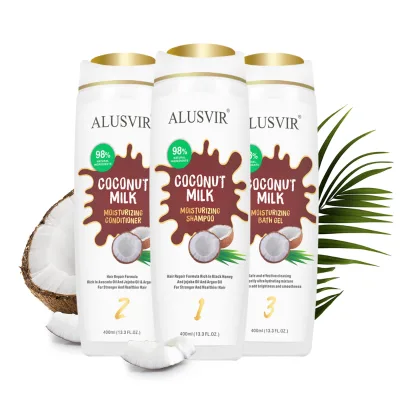
Organic Hair Care Essentials: Nourishing Gel, Shampoo & Conditioner Set
$0.04 - $0.22
MOQ: 5000 Pieces


Wholesale Private Label Natural Organic Hair Care Shampoo and Conditioner Set
$0.30 - $0.60
MOQ: 1000 Pieces


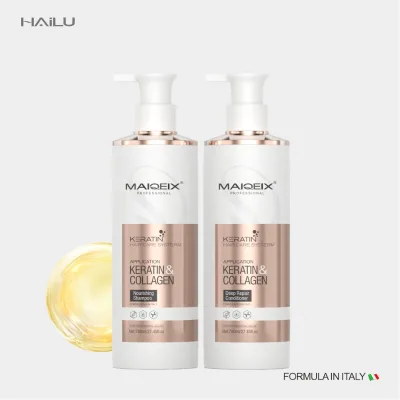

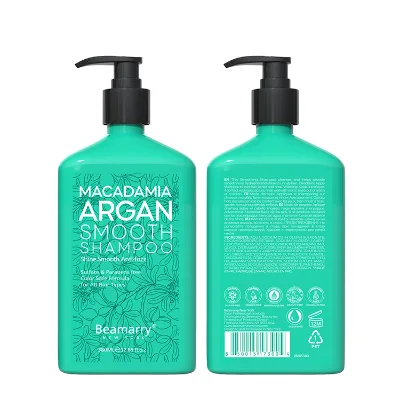
Natural Organic Curly Hair Shampoo and Conditioner Set for Private Label
$1.54 - $1.55
MOQ: 1000 Pieces
Comprehensive Sourcing Guide
Strategic Sourcing Guide for Sulfate-Free Organic Shampoo and Conditioner Sets
Procuring a sulfate-free organic shampoo and conditioner set requires a rigorous understanding of the intersection between chemical formulation, regulatory compliance, and supply chain logistics. For B2B buyers, the market offers a diverse array of options ranging from salon-grade bulk liquids to disposable hotel amenities. The following guide synthesizes available product attributes and industry standards to provide a disciplined framework for evaluating potential suppliers and specifications. This approach ensures that procurement decisions are grounded in verified facts rather than unverified marketing claims, minimizing risk while maximizing product quality and operational efficiency.
Technical Specifications and Formulation Attributes
The technical foundation of any shampoo and conditioner set lies in its formulation, packaging, and physical properties. When sourcing sulfate-free organic products, buyers must first verify the ingredient profile. The market data indicates a clear distinction between chemical-based and herbal-based formulations. While some products are categorized under "Chemical" ingredients, others explicitly list "Herbal" as the primary component. For a product labeled "organic," the presence of herbal ingredients is a strong indicator of alignment with natural sourcing, though buyers must confirm the specific botanical composition.
Form factors vary significantly based on the intended usage channel. The observed product range includes liquid creams and solid forms. Liquid options are typically available in sizes such as 400ml or 500ml per piece, often packed in cartons containing 24 units. In contrast, solid forms are often designed for specific applications like hotel amenities, where space efficiency and portability are paramount. The packaging material is another critical technical variable. Suppliers may offer bottles made from PVC, PET, PETG, PE, or PP. The choice of material impacts the product's compatibility with the liquid formula, particularly regarding chemical resistance and sustainability goals.
Color and fragrance are also customizable technical parameters. Buyers can request specific liquid colors and herbal essence fragrances, provided the supplier has the capacity for customization. The "Y-shampoo" and "Y4" model designations suggest specific formulation lines that may differ in viscosity or active ingredient concentration. When evaluating a set, the buyer must ensure that the shampoo and conditioner are chemically compatible and that the packaging materials do not degrade the formula over the product's shelf life.
Compliance, Certification, and Regulatory Standards
In the B2B sector, certification is not merely a marketing asset but a prerequisite for market access and liability protection. The supply chain for sulfate-free organic products is heavily regulated, particularly in the cosmetics and personal care industries. Buyers should verify that suppliers hold recognized quality management and safety certifications. The available data highlights ISO, GMPC (Good Manufacturing Practice for Cosmetics), MSDS (Material Safety Data Sheet), and COA (Certificate of Analysis) as standard credentials.
ISO certification indicates that the manufacturer adheres to international standards for quality management systems. GMPC is specifically critical for cosmetic manufacturing, ensuring that the production environment meets hygiene and safety requirements. The MSDS provides essential safety data regarding the handling, storage, and emergency measures for the chemical components, which is vital for logistics and workplace safety. The COA serves as a verification of the product's composition, confirming that the batch matches the declared specifications regarding ingredients and purity.
For organic claims, buyers must be cautious. While the term "organic" is used in product descriptions, the specific certification bodies (such as USDA Organic, ECOCERT, or similar) are not explicitly listed in the general data. Therefore, procurement teams must request specific organic certification documents for each batch. The absence of a specific organic standard in the general product list does not negate the possibility of organic certification, but it necessitates a direct inquiry to the supplier to validate the claim. Furthermore, the trade terms and delivery conditions (such as EXW, FOB, CIF, CFR, DAP, DDP) influence who bears the responsibility for compliance during transit and customs clearance.
Cost Drivers and Pricing Dynamics
Understanding the cost structure of sulfate-free organic sets is essential for budgeting and margin analysis. The observed price range in the market spans from $0.02 to $8.00 USD per unit. This wide variance is driven by several factors, including the scale of production, the complexity of the formulation, and the packaging materials used. A unit priced at the lower end of the spectrum is likely a disposable amenity or a basic chemical formulation, whereas a unit at the higher end may represent a premium herbal product with specialized packaging and higher organic content.
The Minimum Order Quantity (MOQ) is a significant cost driver. The observed MOQ range is between 24 and 5,000 pieces, with a specific high-confidence fact noting an MOQ of 300 pieces for certain product lines. Buyers must align their order volume with these thresholds to avoid prohibitive unit costs or supply constraints. For smaller retailers or testing phases, suppliers offering lower MOQs (e.g., 24 or 300 pieces) are preferable. For large-scale distributors, negotiating based on higher volumes (approaching 5,000 pieces) can yield better unit economics.
Lead times also impact the total cost of ownership. A standard delivery time of 15 days is observed for certain models, while others indicate a production window of 7 to 30 days. Longer lead times may require higher inventory holding costs or more complex supply chain planning. Additionally, the "Factory Price" trade term suggests that buyers should expect to negotiate directly with the manufacturer to secure the best rates, potentially bypassing intermediaries. Customization services, such as private labeling or custom logo printing, may incur additional setup fees, which should be factored into the total cost calculation.
Typical Applications and Usage Scenarios
The intended application of the product dictates the required specifications and packaging. The market data identifies two primary usage categories: professional salon use and hospitality/home use. Salon-grade products, such as the "Y-shampoo" and "Y4" models, are designed for high-volume, professional environments. These products often feature larger packaging sizes (400ml or 500ml) and are formulated to protect hair after dyeing or perming, addressing the specific needs of color-treated hair. The "Clean Hair and Protect Hair" function is a key selling point for this segment.
Conversely, the hospitality sector utilizes different product attributes. Disposable formats, such as solid forms or small tubes, are common for hotels and home use. These products often come in smaller standard sizes (e.g., 30ml) and are packed in cartons of 24 units. The "Herbal Essence" fragrance and "Disposable" nature of these items make them suitable for guest amenities where convenience and perceived natural quality are priorities. The "All Hair" gender and age group specification ensures broad appeal across diverse customer demographics.
Buyers must match the product specification to their specific channel. A salon distributor should prioritize products with robust protection claims and larger volume packaging. A hotel chain, however, should focus on disposable, space-efficient, and aesthetically pleasing packaging that aligns with their brand image. The ability to customize the logo and liquid color allows suppliers to tailor the product to the specific branding needs of either the salon or the hospitality provider.
Supplier Evaluation and Manufacturing Capabilities
Evaluating a supplier requires a deep dive into their manufacturing history and service capabilities. The data highlights manufacturers with significant experience, citing advantages such as "21 Years Manufacturer," "25 Years Manufacturer," and "22 Years Manufacturer." This tenure suggests a level of stability and process maturity that is crucial for maintaining consistent quality. However, buyers should verify these claims through site audits or third-party assessments.
Service flexibility is another critical evaluation metric. The majority of suppliers offer OEM (Original Equipment Manufacturer), ODM (Original Design Manufacturer), and Private Label services. This capability allows buyers to create a unique brand identity without investing in their own manufacturing infrastructure. The availability of free samples is a standard practice that enables buyers to test product quality before committing to a large order.
Geographic location is a factor in logistics and communication. The observed products originate from China, specifically from regions like Guangdong and Jiangsu. These regions are known for their robust manufacturing ecosystems, but buyers should consider the distance and potential logistical challenges when planning shipments. The "Place of Origin" should be clearly stated on all documentation to ensure transparency and compliance with import regulations in the destination country.
Quality Control and Long-Term Procurement Considerations
Maintaining product quality over time requires a proactive quality control strategy. Buyers should establish clear acceptance criteria based on the COA and MSDS provided by the supplier. Regular testing of incoming batches for viscosity, pH balance, and microbial content is recommended to ensure consistency. The "Protect Hair After Dyeing or Perming" feature should be validated through performance testing, especially if the product is marketed with specific functional claims.
Long-term procurement considerations involve building a resilient supply chain. The variability in lead times (7-30 days) suggests that buyers should maintain safety stock to mitigate potential delays. Diversifying suppliers across different regions or product lines can reduce the risk of supply disruption. Additionally, the ability to customize packaging and branding allows for strategic adjustments to market trends without changing the core product formulation.
Buyers should also monitor the regulatory landscape for organic and sulfate-free claims. As regulations evolve, suppliers must remain compliant with new standards. Establishing a long-term partnership with a supplier who demonstrates a commitment to continuous improvement and certification maintenance is essential. The "21 to 25 Years Manufacturer" advantage indicates a potential for long-term reliability, provided the supplier maintains their operational standards and adapts to market changes.
Comparative Analysis of Product Models
To assist in decision-making, the following table compares key attributes of the observed product models. This comparison highlights the differences in size, material, and intended use, facilitating a more informed selection process.
| Attribute | Model Y-shampoo / Y4 | Model T09 | Model Hair Shampoo & Conditioner |
|---|---|---|---|
| Form | Cream / Liquid | Solid | Liquid |
| Size | 400ml or 500ml / PCS | 30ml | Variable (Standard Bulk) |
| Packaging | Carton (24 PCS/CTN) | Tube | Carton |
| Bottle Material | PVC, PET, PETG, PE, PP | N/A (Solid) | N/A |
| Primary Usage | Salon / Professional | Home / Hotel | Home / Hotel |
| Ingredient Type | Chemical / Herbal | Herbal | Chemical / Herbal |
| MOQ | 300 Pieces | Variable | Variable |
| Origin | Guangdong, China | Jiangsu, China | China |
| Key Feature | Protect Hair After Dyeing | Disposable, Custom Logo | All Hair Types |
This comparison underscores the importance of aligning product specifications with the buyer's specific operational needs. Whether the requirement is for a high-volume salon product or a disposable hotel amenity, the data provides a clear framework for selection. By adhering to these evidence-based guidelines, buyers can navigate the complex landscape of sulfate-free organic shampoo and conditioner sets with confidence and precision.
FAQs
What certifications do Sulfate Free Organic Shampoo and Conditioner Set manufacturers hold?
Manufacturers typically hold ISO, GMPC, MSDS, and COA certifications. These credentials verify quality management, cosmetic safety, and product composition, ensuring compliance with international standards for sulfate-free and organic formulations.
Can I request custom packaging for Sulfate Free Organic Shampoo and Conditioner Set orders?
Yes, customization is available for packaging styles, logos, and liquid colors. Suppliers accept requests for specific bottle materials like PVC, PET, or PP, and offer private labeling services to match your brand identity.
What is the minimum order quantity for Sulfate Free Organic Shampoo and Conditioner Set?
The minimum order quantity ranges from 24 to 5000 pieces, with a specific high-confidence fact noting 300 pieces for certain models. Buyers should verify the exact MOQ with the supplier before placing an order.
How long does delivery take for Sulfate Free Organic Shampoo and Conditioner Set?
Delivery times vary between 7 to 30 days depending on the specific product model and customization requirements. Some standard models have a confirmed lead time of 15 days from the factory in China.
Which ingredient types are available for Sulfate Free Organic Shampoo and Conditioner Set?
Products are available with both chemical and herbal ingredients. Buyers can select from options like herbal essence fragrances or chemical-based formulations designed to clean and protect hair after dyeing or perming.
Can I get free samples before ordering Sulfate Free Organic Shampoo and Conditioner Set?
Free samples are available for most product lines to test quality and formulation. This allows buyers to verify the product attributes, such as size and material, before committing to a bulk purchase order.